What to Do When Students Just Don’t Care

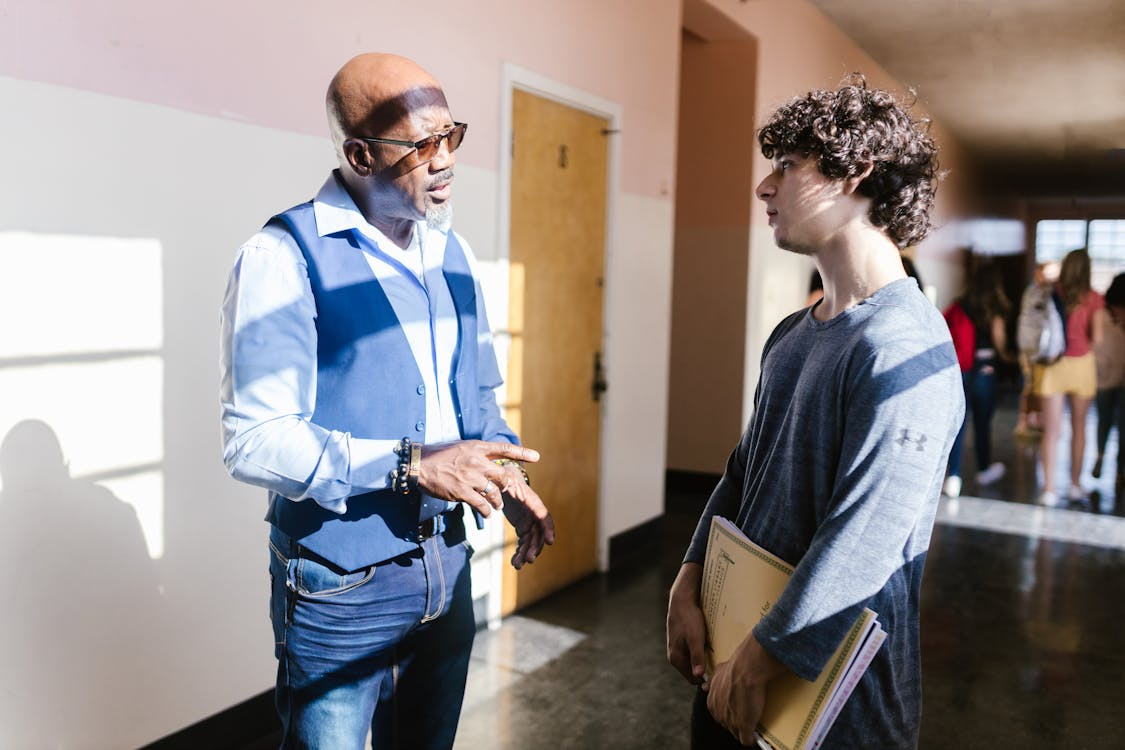
The goal of learning how to engage disengaged students is not to magically motivate everyone. It is to respond in ways that increase the chance of reengagement.
Few teaching challenges feel more discouraging than facing students who seem uninterested, disengaged, or emotionally checked out. You plan lessons, offer support, and try to create momentum, only to meet blank stares or minimal effort.
In those moments, it is easy to conclude that students simply do not care. Sometimes that is partly true. But often, disengagement has deeper causes: boredom, confusion, fear of failure, external stress, low confidence, or a belief that school has nothing to do with their real lives.
Look for the Reason Behind the Behavior
Disengagement can look the same on the surface while coming from very different causes. One student may be bored because the work feels too easy. Another may be shut down because it feels impossible. A third may be carrying problems from outside school.
If you treat every disengaged student the same, your response may miss the real issue.
Start with curiosity:
- Are they confused?
- Embarrassed?
- Tired?
- Distracted?
- Unchallenged?
- Disconnected from the purpose?
Understanding the cause creates better next steps than assuming laziness.
See What Teachers Wish Students Understood About the Classroom for more classroom perspective.
Make the Work Feel Winnable
Students often disengage when success feels unreachable. If tasks seem too hard, too vague, or too large, avoidance becomes a form of self-protection.
Break work into smaller steps. Give clear models. Offer guided practice before independent work. Celebrate partial progress, not only finished excellence.
A student who will not write a full essay may write one paragraph. A student avoiding math may attempt three problems with support.
Momentum grows when students experience competence.
Read How to Design Assignments Students Will Actually Complete for stronger task design.
Connect Learning to Real Life
Some students ask, silently or aloud, “Why does this matter?” If they cannot see relevance, effort drops.
Whenever possible, connect content to real decisions, careers, current events, personal goals, or everyday situations. Show how skills transfer beyond the classroom.
A persuasive writing lesson can connect to advocacy. Data analysis can connect to sports, business, or social issues. Reading comprehension can connect to navigating the modern world.
Not every topic feels naturally exciting, but meaning increases attention.
Use Relationships as Leverage for Learning
Students work harder for people they trust and feel seen by. Relationship-building does not solve everything, but it often creates openings that pure content cannot.
Learn names quickly. Notice effort. Check in privately. Greet students at the door. Use respectful humor. Ask brief human questions when appropriate.
A student may ignore the assignment but respond to being known.
Connection is not a trick. It is a condition that often makes learning more possible.
Explore How to Support Struggling Students Without Burning Out for steadier support.
Offer Choice Within Structure
Total freedom can overwhelm students, but zero ownership can drain motivation. A middle path is a guided choice.
Examples:
- Choose between two article topics.
- Pick your project format.
- Select which five problems to complete first.
- Work alone or with a partner.
- Choose the order of tasks.
Choice increases autonomy while structure keeps learning goals intact.
Even small ownership can improve engagement.
Protect Your Own Mindset
Teachers can become cynical when effort is not returned. That reaction is understandable, but dangerous over time.
Do not measure your worth only by visible student enthusiasm. Some students care quietly. Some care later. Some are benefiting more than they show.
Your role is to create conditions for learning and keep inviting students into the process. You cannot control every response.
Professional persistence is healthier than personalizing resistance.
Use Consistent Expectations
Empathy matters, but standards matter too. Lowering every expectation can communicate that effort is optional or that you do not believe students can rise to the occasion.
Be supportive and clear:
- I’ll help you, but you still need to begin.
- You can redo this, but you need to use feedback.
- I understand today is hard, and the work still matters.
High support with clear expectations often works better than harshness or surrender.
Check How to Stay Inspired in a System That Can Feel Draining for motivation sustainability.
Some Caring Happens Slowly
Not every student will visibly transform this week. Some may stay resistant. Others may engage in small ways first.
Your impact may show up as one completed task, one better question, one improved habit, or one student who finally believes they can succeed.
When students seem not to care, the work is rarely to force motivation. It is to keep building pathways back to it.